
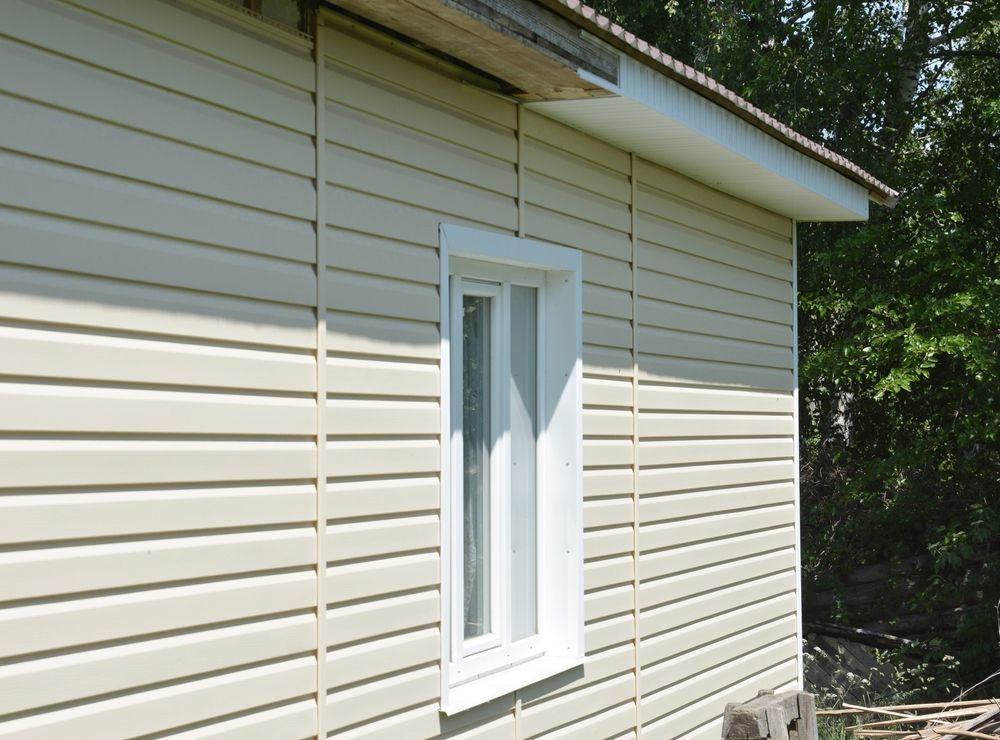
Exteriors Built to Handle Weather Exposure
Siding in Columbus for homes needing protection from moisture and temperature fluctuations
When exterior walls show cracking, warping, or gaps where moisture enters, siding installation stops further deterioration and reestablishes the thermal barrier between your home's interior and outside conditions. Sitas Homes Improvement provides siding installation and repair for residential properties in Columbus where the existing exterior has reached the end of its functional life or sustained damage from storms or prolonged exposure. The new siding layer protects sheathing and framing, improves insulation performance, and changes the home's appearance in one step.
Siding replacement addresses multiple problems: water intrusion through split boards or failed caulking, heat loss through thin or warped panels, and visual wear that affects property value. Material choice influences maintenance requirements and how the surface responds to humidity swings common in Georgia's climate, where summer moisture levels can cause untreated wood to swell and painted finishes to peel prematurely.
Schedule a property assessment to examine current siding condition and discuss material options suited to your home's structure.
What Proper Siding Installation Requires
Siding installation involves removing the old material down to the sheathing layer, inspecting for water damage or rot that needs repair before new panels go up, then installing a weather-resistant barrier and fastening the new siding with overlapping seams that shed water downward. Each course must align horizontally and allow for thermal expansion, especially with vinyl or composite materials that move slightly as temperatures change. Flashing around windows, doors, and trim prevents water from entering behind the siding at vulnerable joints.
Once the installation is complete, exterior walls present a uniform, weather-tight surface without gaps or exposed seams. Inside the home, you'll notice less temperature variation near exterior walls because the new siding and underlayment improve the insulation envelope. Energy costs often drop as heating and cooling systems work less to compensate for air leakage and thermal bridging through damaged sections. The exterior also requires less frequent maintenance depending on material—vinyl and fiber cement don't need repainting, while wood siding extends its lifespan significantly when protected with proper finish coatings.
Siding projects also include soffit and fascia work if those areas show rot or separation, since they're part of the same weather protection system. Some installations involve adding foam backer board beneath the siding for additional insulation, which makes sense during whole-house energy upgrades but adds cost and thickness to the wall profile.
Homeowners evaluating siding projects often want to understand material differences, installation logistics, and how the work affects other exterior components.
Answers to Frequent Siding Questions
What siding material lasts longest in areas with high humidity?
Fiber cement and vinyl both resist moisture damage better than wood, though fiber cement offers superior impact resistance and holds paint longer. Wood siding requires regular sealing and repainting to prevent water absorption and rot in Columbus's humid climate.
How long does siding installation take for an average home?
Most single-story homes with straightforward layouts take three to five days depending on material and whether sheathing repairs are needed, while two-story installations or homes with complex trim details extend the timeline.
Why do some siding panels buckle or warp after installation?
Panels fastened too tightly don't have room to expand when heat builds up on sun-facing walls, causing buckling at the center. Proper installation leaves slight clearance at fastener points so the material can move without distorting.
When should I replace siding instead of painting over it?
If the existing siding shows widespread cracking, soft spots from water damage, or separation from the wall, paint won't restore structural integrity and will only temporarily mask deterioration that continues underneath.
What's the difference between insulated and non-insulated vinyl siding?
Insulated vinyl includes foam backer that reduces thermal bridging and adds rigidity to prevent denting, though it costs more per square foot and the insulation benefit depends on the existing wall assembly's performance.
Sitas Homes Improvement evaluates existing siding condition and explains material trade-offs based on your budget and maintenance preferences. Contact us to arrange an estimate and review siding options for your home's exterior.