
Roofs Built for Decades of Weather
Roof Replacements in Columbus for aging systems, severe storm damage, and homes needing long-term protection upgrades
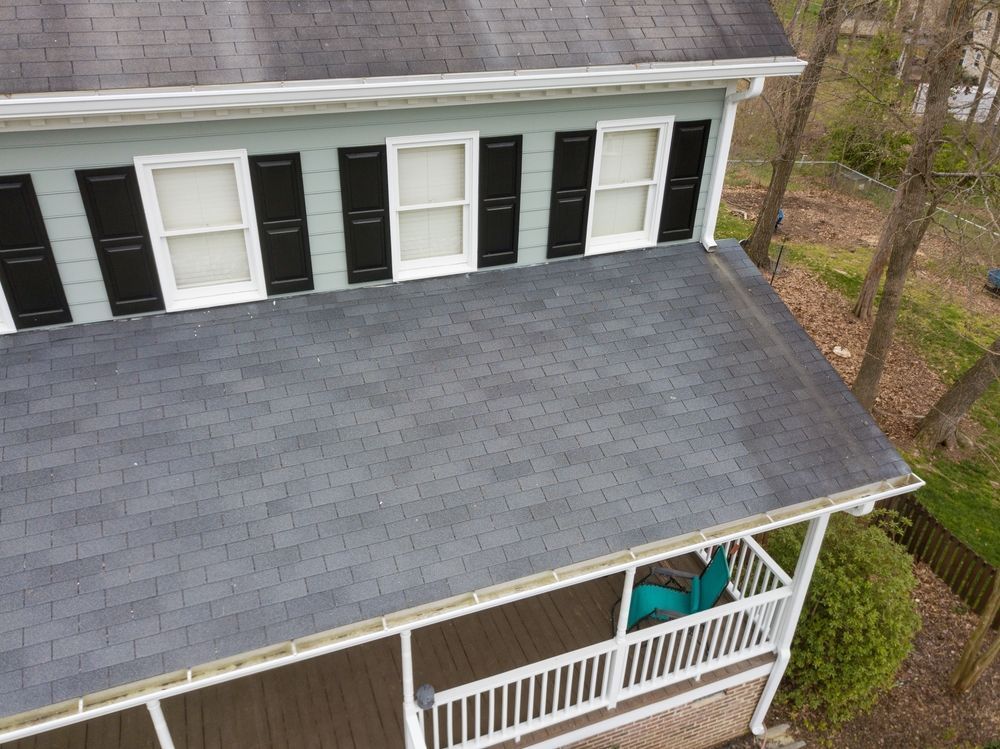
Shingles that curl at the edges, lose granules in large patches, or allow light through cracks in the attic signal that the roof system has reached the end of its effective lifespan and patchwork repairs will no longer provide reliable protection. Full roof replacement involves removing all existing materials down to the decking, inspecting the structural substrate for damage, and installing a completely new weather barrier designed to handle Columbus's humid summers and occasional severe storm activity. Sitas Home Improvement manages the entire replacement process from material selection through final cleanup, ensuring that the new roof integrates properly with existing ventilation and drainage systems.
Replacement projects use materials chosen for their durability in Georgia's climate, where UV exposure, thermal cycling, and high humidity all affect shingle performance. Proper removal prevents old fasteners and damaged decking from compromising the new installation, and correct underlayment placement creates a secondary moisture barrier that protects the home even if individual shingles fail.
Schedule a replacement consultation to evaluate current roof condition and discuss material options suited to your home's design and exposure.
What You Notice Once Replacement Is Finished
After a roof replacement is completed, the most immediate change is the elimination of water intrusion, but you'll also notice improved attic temperature regulation since new shingles reflect more heat and fresh underlayment provides better insulation value. Ventilation components are often upgraded during replacement, which reduces moisture buildup in the attic and prevents premature shingle degradation from underneath.
The home's exterior appearance shifts noticeably with a new roof, particularly if the color or material differs from the old system, and this visual upgrade often increases curb appeal more than any other single exterior improvement. Interior spaces that previously showed ceiling stains or musty odors from hidden leaks will stabilize once the moisture source is removed, though existing stains require separate cosmetic repair after the roof is secure.
Roof replacement addresses the entire weather barrier at once, but it doesn't repair structural damage that occurred before the new roof was installed, such as rotted rafters or compromised decking. Those repairs happen during the tear-off phase when the old roof is removed and the underlying structure becomes visible, and they're priced separately from the base replacement cost since the extent of hidden damage varies significantly from one home to another.
Homeowners planning roof replacements in Columbus typically want to understand the project timeline and how material choices affect long-term performance given the region's weather patterns.
Questions Before Starting Your Project
What makes a roof replacement necessary instead of repairs?
When shingles across the majority of the roof show age-related wear such as granule loss, brittleness, or curling, and when multiple leaks have occurred or are likely, replacement becomes more cost-effective than ongoing repair cycles that only delay the inevitable.
How do you choose roofing materials for Georgia's climate?
Material selection in Columbus prioritizes shingles rated for high wind resistance and impact performance since summer storms can produce damaging hail and gusts, and darker colors absorb more heat which accelerates shingle aging in the intense summer sun, so lighter tones often last longer.
What happens to the old roof during replacement?
Complete tear-off removes all existing shingles, underlayment, and flashing down to the bare decking, which allows inspection of the wood substrate for rot or structural damage that wouldn't be visible otherwise and must be repaired before the new roof goes on.
How long does a roof replacement project take?
Most residential replacements finish within one to three days depending on roof size and complexity, though weather delays can extend the timeline, and the home remains protected each night even if the project spans multiple days since sections are completed and sealed as work progresses.
What should I expect immediately after replacement?
The attic will feel less humid, water stains will stop expanding, and the home's exterior will look visibly refreshed, though noise from rain hitting the new roof may sound different until you adjust to the acoustics of the fresh shingles.
Sitas Home Improvement handles roof replacements with attention to structural integrity and material performance, ensuring that the new system provides reliable protection for decades. Contact us to arrange a replacement estimate based on your home's specific conditions and design requirements.