
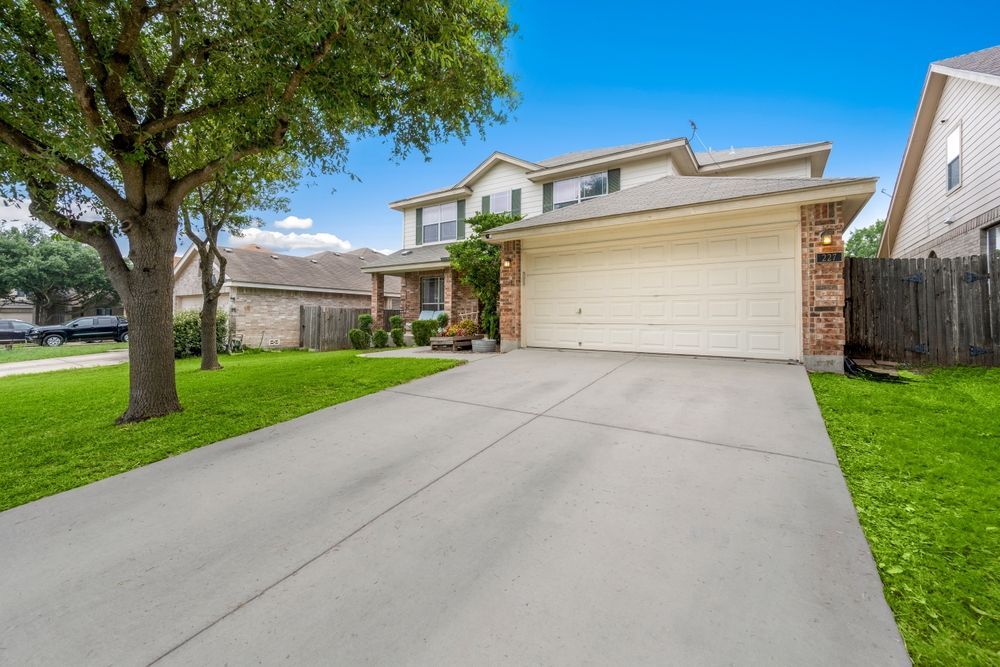
Surfaces That Support Constant Vehicle Weight
Concrete in Columbus for driveways and walkways requiring durable, level surfaces
Cracked driveways, uneven walkways, and settling concrete slabs create tripping hazards and drainage problems that worsen each season as water infiltrates the base material and freeze-thaw cycles widen the damage. Sitas Homes Improvement handles concrete installation and replacement for residential driveways, walkways, and outdoor surfaces in Columbus where existing slabs have failed or new construction requires functional hardscaping. The work produces level, stable surfaces designed to handle vehicle loads, foot traffic, and weather exposure without shifting or breaking apart within the first few years.
Concrete work addresses visible failures like cracking across the slab center, edges breaking away where the base wasn't compacted properly, and low spots where water pools instead of draining toward the street. Replacement solves these issues by excavating failed sections, preparing a stable base with proper slope, and pouring new concrete with control joints that manage cracking as the material cures and experiences temperature changes.
Request an on-site consultation to evaluate existing concrete condition and discuss replacement or new installation requirements.
What Changes After Concrete Installation
Concrete installation begins with excavation to the required depth, followed by base preparation using compacted gravel that provides drainage and prevents settling. Forms are set to define edges and control slab thickness, then concrete is poured, leveled, and finished with a smooth or textured surface depending on use. Control joints are cut or formed at intervals to direct cracking into planned lines rather than random patterns, and the surface is cured under controlled moisture conditions to reach full strength over several days.
Once the concrete has cured, the surface is uniformly level without the dips, humps, or cracks that characterized the old slab. Vehicles sit flat in the driveway without rocking on uneven sections, and water flows predictably toward drainage points instead of pooling in depressions where it accelerates deterioration. Walkways no longer present tripping edges where sections have settled at different rates, and the clean finish improves the property's overall appearance by replacing stained, broken concrete with a uniform surface that complements other exterior improvements.
Concrete projects sometimes involve removing tree roots that caused the original slab to heave, or adding deeper base layers in areas with soft soil that compresses under load. Expansion joints between the new slab and existing structures like garage floors or home foundations prevent cracking caused by differential movement as materials expand and contract with temperature swings.
Concrete projects raise practical questions about timing, durability, and site conditions that affect both installation and long-term performance.
What Property Owners Usually Ask
How thick should a residential driveway be to handle regular vehicle use?
Standard driveways are poured four inches thick, though areas expecting heavier vehicles like trucks or RVs benefit from six-inch slabs with additional base compaction to distribute weight and prevent cracking.
Why does new concrete sometimes crack within the first year?
Concrete shrinks slightly as it cures, and control joints direct that shrinkage into planned lines. Random cracking usually results from insufficient base preparation, pouring during extreme temperatures, or inadequate curing that allows moisture to evaporate too quickly.
When is the best time to pour concrete in Columbus?
Spring and fall offer moderate temperatures that support proper curing, while summer heat accelerates setting time and requires additional water management. Winter pours are possible but involve blankets or heating to prevent freeze damage during the curing period.
What's the difference between concrete and asphalt for driveways?
Concrete lasts longer and requires less maintenance but costs more upfront and shows oil stains more visibly. Asphalt is cheaper initially and easier to repair in sections, though it softens in high heat and needs resurfacing every ten to fifteen years.
How long before I can drive on new concrete?
Light foot traffic is safe after twenty-four to forty-eight hours, but full vehicle weight should wait at least seven days to allow the concrete to reach sufficient strength and avoid surface damage or cracking.
Sitas Homes Improvement provides concrete estimates based on project size, site access, and base conditions specific to your property. Set up a consultation to review surface options and installation details for your driveway or walkway project.