
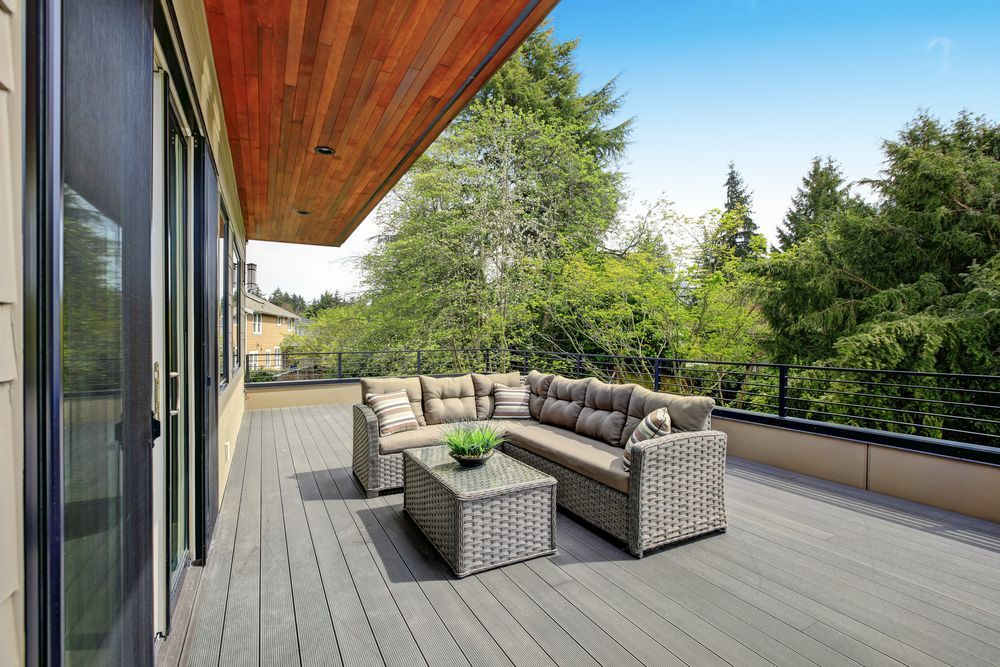
Outdoor Spaces Built for Year-Round Use
Decks and Patios in Columbus for expanding usable living area, entertaining outdoors, and adding functional property value
Yards that remain unused because there's no comfortable place to sit outside or entertain guests represent wasted square footage that could function as additional living area most of the year. Deck and patio construction transforms underutilized outdoor space into defined areas for dining, relaxation, or hosting, using materials that withstand Columbus's humid climate and temperature swings without constant maintenance. The design process accounts for yard slope, sun exposure, and how the space connects to existing doors and pathways, ensuring that the finished structure integrates naturally with the home and landscape rather than looking like an afterthought.
Sitas Home Improvement builds decks and patios using materials selected for Georgia's conditions, where moisture, UV exposure, and seasonal temperature changes all affect wood and composite performance. Layout planning considers drainage patterns to prevent water from pooling under decks or against patio edges, and proper grading ensures that outdoor spaces remain usable even after heavy rain.
Arrange an on-site consultation to discuss layout options, material choices, and how the new outdoor space will connect to your existing yard and home access points.
How Deck and Patio Construction Addresses Space Limitations
Construction begins with site preparation that accounts for soil conditions and drainage, since improper grading causes water to collect under decks or erode patio bases, leading to settling and structural problems. For decks, footings extend below the frost line even in Columbus where freezing is infrequent, because stable foundations prevent shifting that creates gaps in decking boards and makes railings unsafe. Patio bases require compacted aggregate and sand layers that distribute weight evenly and allow water to drain through rather than undermining the surface.
Once completed, you'll have a defined outdoor area that remains stable underfoot, sheds water properly, and provides a clean, level surface for furniture and foot traffic. The space becomes usable immediately after installation rather than requiring weeks of curing or settling, and properly built structures don't develop soft spots, wobbling railings, or surface cracks during the first few years of use.
Deck and patio projects add functional square footage, but they don't address existing yard drainage issues that occur beyond the structure itself. If the yard slopes toward the home or water collects in low areas, those problems require separate grading work, though the deck or patio design can incorporate solutions like drainage channels or adjusted elevations to prevent water from flowing toward the foundation.
Questions about deck and patio construction often focus on material performance in Georgia's climate and how design choices affect long-term maintenance requirements.
Common Questions About This Service
What materials work best for decks in Columbus?
Pressure-treated lumber resists moisture and insect damage but requires periodic staining, while composite decking eliminates the need for staining and handles humidity without warping, though it costs more upfront and can feel hotter underfoot during summer afternoons.
How do you prevent patios from sinking or cracking?
Proper base preparation with compacted gravel and sand layers distributes weight and allows drainage, which prevents the undermining and settling that cause pavers to sink or concrete to crack, and edge restraints keep paver patios from spreading outward over time.
When should I choose a deck over a patio?
Decks make sense for sloped yards where leveling the ground for a patio would require extensive grading, and they're ideal when you want the outdoor space to connect at the same elevation as an interior room's doorway, while patios work better for flat yards and areas where you want a ground-level surface.
What size deck or patio fits typical residential needs?
A 12x16 area accommodates a dining table and chairs for six people, while 16x20 provides room for multiple seating zones, though the best size depends on how you plan to use the space and what portion of the yard you're willing to dedicate to the structure.
How does Georgia humidity affect outdoor structures?
High moisture levels cause untreated wood to rot and encourage mold growth, which is why material selection and proper ventilation under decks matter more in Columbus than in drier climates, and composite materials resist moisture-related degradation better than traditional wood.
Sitas Home Improvement designs and builds decks and patios tailored to your yard's dimensions and your intended use of the space. Request a design consultation to start planning your outdoor living area with materials suited for long-term performance.